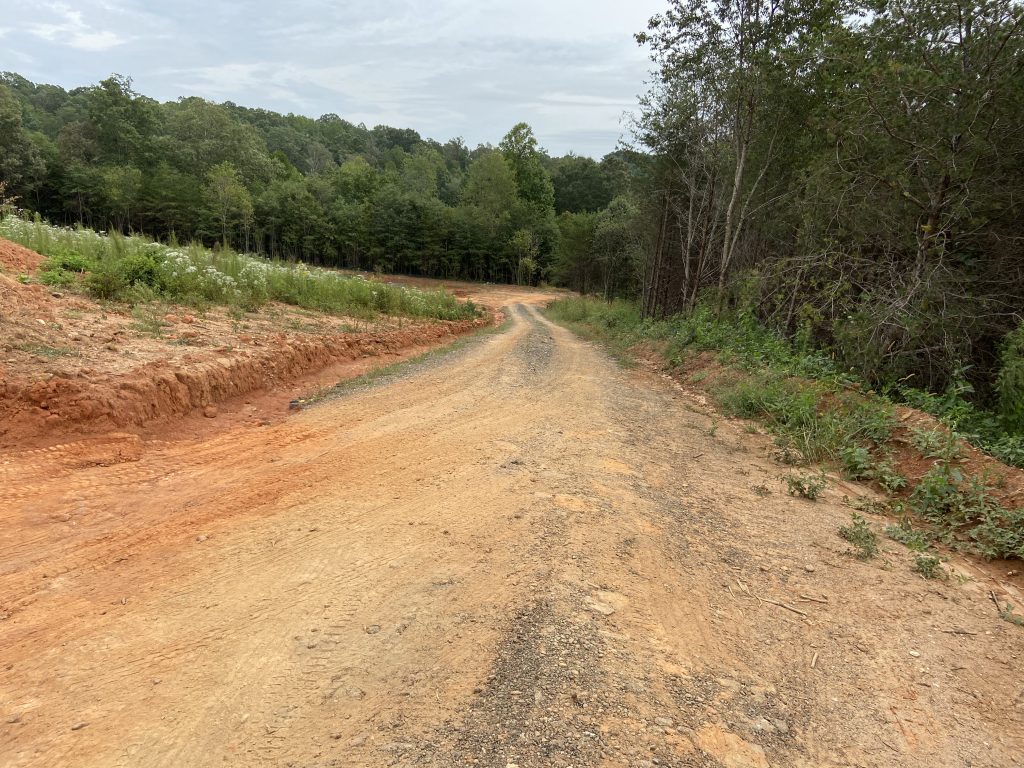
Safety First: Best Practices for Concrete and Excavation Site Management Apr 06, 2026
Safety begins with proper planning. Before any concrete or excavation project kicks off, a comprehensive risk assessment is necessary. This evaluation identifies potential hazards and facilitates the development of mitigation strategies. Factors such as soil type, weather conditions, and the presence of underground utilities must all be considered during this stage. A well-thought-out plan not only aligns with regulatory requirements but also ensures the efficiency and safety of the project.
Training and communication are pivotal for a safe worksite. Every member of the crew should undergo rigorous training in safety protocols specific to concrete and excavation. Regular safety briefings and updates keep everyone aware of site-specific risks and the procedures necessary to address them. Clear communication lines, including the use of signals and radios, are essential to ensuring that all workers can relay information quickly and effectively.
Personal protective equipment (PPE) is non-negotiable on any concrete or excavation site. Workers must be equipped with hard hats, high-visibility vests, steel-toed boots, gloves, and protective eyewear. This gear protects against the inherent hazards of construction sites, from falling debris to chemical splashes. It is crucial that PPE is inspected regularly to ensure its effectiveness and compliance with safety standards.
Excavation sites pose unique challenges, and managing them safely requires vigilance. The risk of cave-ins is significant, making it vital to implement appropriate shoring and trenching techniques. Sloping or benching the sides of an excavation helps stabilize the trench walls and reduce the chances of collapse. Additionally, keeping heavy machinery and equipment away from the edges of trenches minimizes the risk of a disastrous cave-in.
The proper handling of materials and equipment is another foundational element of site safety. This involves regular maintenance and inspection of machinery to prevent malfunctions that could lead to accidents. Operators should be certified and knowledgeable about their equipment's specific safety features. Establishing a designated area for the storage and loading of materials minimizes the risk of collisions and ensures the site remains organized and accessible.
Emergency preparedness can never be overlooked. A robust emergency response plan should be in place, detailing clear procedures for different scenarios, such as injuries, fires, or equipment failure. Regular drills ensure that everyone on-site knows how to react efficiently and effectively. Emergency exits should be clearly marked and accessible, and first aid kits must be well-stocked and readily available.
In conclusion, safety in concrete and excavation site management requires a multifaceted approach. At Morales Concrete, we advocate for meticulous planning, comprehensive training, and strict adherence to safety protocols. By prioritizing these elements, we aim to create a work environment that not only meets the highest safety standards but also enhances productivity and morale. Remember, a safe site is a successful site. Embracing and implementing these best practices will not only protect workers but also ensure the smooth execution of all construction projects.
/filters:no_upscale()/filters:format(webp)/media/923ce814-9d1d-421f-98c7-229ac8cd63f6.jpeg)
/filters:no_upscale()/filters:format(webp)/media/e1944b21-0cb9-4342-a8c3-983d7aa8d3ee.jpeg)